The Red Bear Embroidery Design: A Practical Review for Your Projects
As someone who stitches for clients, for my small shop, and for gifts, I never just download a file and hit ‘start’. I look at a design with a practical eye, thinking about how it will actually perform when the needle meets the fabric. Today, I’m considering the ‘Red Bear’ embroidery design. Let’s walk through what makes it work and where it shines.
A First Impression of Friendly Charm
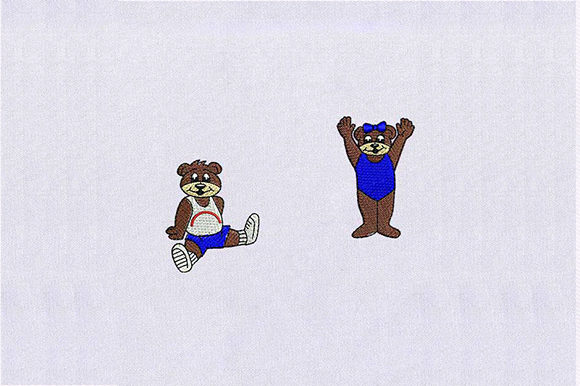
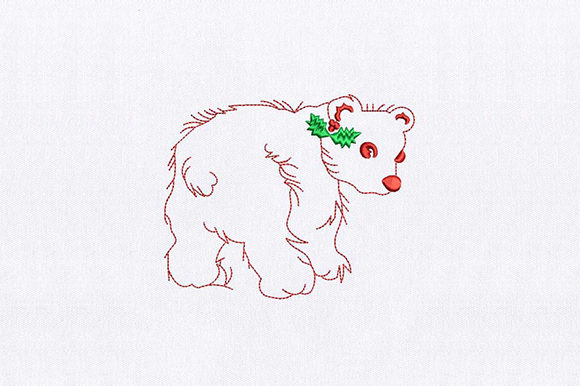
The first thing you notice about this Red Bear is its mood. It’s undeniably cute, with a posture and shaping that feels friendly rather than fierce. This isn’t a realistic wild animal sketch; it’s a character. That visual personality is its biggest asset. It creates an immediate sense of warmth and approachability, which is perfect for projects meant to delight.
The detail level looks balanced—enough definition to be recognizable, but not so overly complex that it becomes a dense, thread-heavy monster on delicate fabrics. This suggests it will stitch out with clarity, and that’s a crucial starting point for any embroidery project.
Where This Design Naturally Belongs
Thinking about real-life use, this Red Bear feels like it was designed for connection. It’s a natural fit for personalized gifts and handmade products where emotion is the focus. Imagine stitching it onto a baby’s blanket or a toddler’s hoodie. The cute factor translates directly into a smile.
For small business merchandise, it’s equally compelling. Embroidered onto a tote bag or a pillow cover, it becomes a charming, standalone graphic that doesn’t need explanation. For an Etsy seller specializing in nursery decor or friendly kitchen towels, this design is a ready-made asset. I can picture it on a tea towel in a rustic kitchen, adding a touch of whimsy.
In a recent scenario, I was preparing a custom birthday gift—an embroidered sweatshirt for a child. I needed a design that was joyful, durable, and would look great after washing. The Red Bear’s simple, clean outlines and likely moderate stitch density made it a top candidate. It’s these kinds of practical applications where a design proves its value.
Performance on Real Fabrics and Products
How will it perform? For most standard applications, I anticipate good results. On mid-weight fabrics like cotton totes, canvas aprons, or standard sweatshirt fleece, with the right stabilizer, it should stitch cleanly. The shape is cohesive without many tiny, sharp corners that can be tricky on curves, so adapting it for a cap or hat should be feasible, though a test run is always wise.
The design’s visual appeal translates directly to stitching clarity and perceived product value. A clean, well-defined bear on a handmade tote bag elevates the item from ‘crafted’ to ‘professional’. That builds customer trust and engagement. For a creative entrepreneur, using a design that stitches out reliably is a cornerstone of brand consistency—your customers receive a quality finish every time.
Points for Careful Consideration
No design is universal. With a character like this Red Bear, you should be mindful on very small hoop sizes. If you’re trying to miniaturize it for a tiny patch on a baby bib, some of the friendly details might consolidate into a denser fill stitch area. Always test on scrap first.
Similarly, on highly textured or very stretchy fabrics, the smooth outlines might need extra stabilizer support to keep their shape. On dark fabric backgrounds, the ‘red’ aspect becomes crucial—thread color contrast is key. You might want to audition a slightly brighter or deeper red than your machine defaults to ensure the bear pops.
And for products destined for frequent washing, like kitchen linens or kids' apparel, the integrity of the satin stitches or fill stitches matters. A well-digitized design with appropriate density will hold up, but this is another reason a test on your actual project fabric is non-negotiable.
Turning a Digital File into a Successful Finished Product
The leap from a digital embroidery file on your screen to a finished product someone loves is all in the preparation. Here are my practical notes for using the Red Bear design in your work:
- Test, Test, Test. Run it on a scrap of the exact fabric you’ll use. Check for stitch density, puckering, and the clarity of small features.
- Consider the Background. View it in black and white mockups or think about it on both light and dark backgrounds. Does it rely on color alone, or does its shape hold up?
- Match Thread to Mood. That ‘red’ is central. Is it a primary red for a bold look, or a berry red for a softer feel? Your thread choice can slightly alter the design’s personality.
- Confirm the Practicals. While this review is based on visual assessment, before any commercial project, you must confirm the provided hoop size requirements, machine compatibility, and most importantly, the license. Can you use it for commercial embroidery on items you sell? Never assume.
- Think Beyond the Stitch. How will you present it? For an Etsy listing, a clean printable mockup showing the Red Bear on a sweatshirt can boost buyer engagement. For a craft fair, a sample tote bag with the bear embroidered is the best sales tool.
Final Thoughts: A Design Built for Delight
The Red Bear embroidery design, from a designer’s point of view, is a solid, charming asset. Its strength is its emotional resonance—it’s simply likable. That makes it a powerful tool for creating gifts, boutique products, and custom apparel that feel special.
It fits comfortably within the ‘Wild Animals’ category but in a way that’s accessible and decorative. For embroidery designers and makers, its practical value lies in its adaptability to common projects and its potential to stitch out reliably, providing that professional finish that turns a craft into a trusted product.
Approach it with the usual careful preparation, and this cute bear has the potential to become a repeat player in your project lineup, bringing a friendly touch to everything it graces.