A Practical Review of the Happy Easter Redwork Embroidery Design
Every season brings a wave of new embroidery files, and as someone who stitches both for personal joy and client projects, I approach each one with a designer’s eye: is this merely decorative, or does it have the substance to become a beloved finished product? Today, I’m considering the Happy Easter Redwork design from that exact perspective.
First Impressions: The Quiet Charm of Line Art
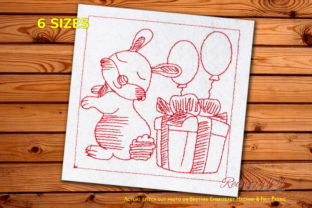
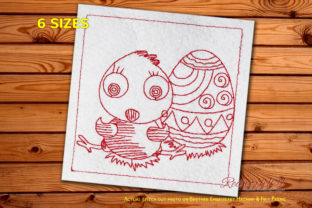
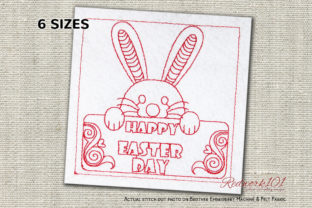
The immediate appeal of this machine embroidery design is its classic, lineart style. It evokes a sense of gentle tradition, a mood of quiet celebration rather than loud festivity. The layout feels balanced, not overly crowded, suggesting it’s meant to be a focal point rather than a busy pattern. This visual personality—clean, recognizable, and charming—instantly tells me it belongs on projects where the embroidery itself is the gift, the statement. It naturally fits on a personalized kitchen towel, a baby’s spring sweater, or the center of a linen pillow cover for a holiday guest room.
Where This Design Finds Its Home
In practical use, Happy Easter Redwork has a versatile reach. For custom apparel like a lightweight cotton sweatshirt or a classic polo, it offers a tasteful, non-bulky decoration. As an embroidered patch applied to a canvas tote bag, it becomes a reusable, seasonally-perfect accessory. For small shop product lines, think of it on aprons for a spring brunch boutique event or embroidered onto the corner of a blanket for a nursery decor collection.
Its clarity makes it excellent for digital product previews and printable mockups for Etsy sellers—the clean lines render well in images, helping customers visualize the final handmade product. For craft fair products, stitching this onto a series of tea towels creates a cohesive, giftable lineup that’s easy for buyers to appreciate.
A Real Scenario: Crafting a Boutique Easter Tote
Let’s say I’m preparing a limited run of embroidered tote bags for my small shop. I’m looking at Happy Easter Redwork and thinking through its application. On a natural canvas bag, the design will likely stitch out with clean running stitch outlines. The question becomes thread color: traditional red for true “redwork,” or a soft sage green for a modern twist? The level of detail seems appropriate; it shouldn’t become a dense, stiff area on the fabric. I can picture a customer’s reaction—it feels special, intentionally made, not mass-produced. That boosts product value and customer trust in your craftsmanship.
Considerations for Stitching Success
While the design appears adaptable, its application requires thoughtful execution. On small hoop sizes, any tiny lettering or intricate corners need careful observation in a test stitch-out. Embroidering on textured fabrics like a woven linen will enhance its handmade charm, but on thin or stretchy fabric like a baby jersey, you’ll need the right stabilizer to prevent puckering.
Dark fabric backgrounds demand high-contrast thread colors to maintain the design’s clarity. Applying it to curved surfaces like caps requires checking that the design’s proportions won’t distort. Importantly, for items like kitchen towels or children’s wear that need frequent washing, a robust stitch construction is key—I’d advise always testing on scrap fabric of the same type first to assess durability.
The Impact on Your Creative Business
Using a design like this effectively influences more than just the stitch. It affects visual appeal through its timeless style, which supports brand consistency for makers focused on classic, heartfelt goods. Its giftability is high, making it a strong candidate for personalized gifts like monogrammed pillow covers. For commercial embroidery projects, such as a local café’s staff aprons for Easter, it conveys a professional, festive touch.
The stitching clarity of a good lineart design directly supports handmade presentation; a clean, precise outcome looks intentional and skilled, engaging buyers who appreciate quality. Whether for your own embroidery project or as a design asset in your craft business, it’s a file that, when stitched well, tells a positive story about your work.
Essential Designer Notes Before You Hoop
Before committing this to a final project, my routine applies:
- Stitch a test on scrap fabric identical to your project material. Examine the stitch density—does it feel appropriate for the fabric weight?
- Check thread color contrast by viewing the design in both black and white digital embroidery file mockups against your intended background.
- Confirm the physical hoop size needed with the actual file in your machine software. The product information mentions multiple formats, so ensure you’re using the correct one for your machine.
- Inspect any small details in the test run. Are all elements distinct?
- Always verify the licensing terms for this embroidery design if you plan to use it for finished products you sell or as part of digital product offerings. The description states it comes with multiple embroidery file formats, but the license for commercial use is a separate, critical detail to confirm.
In essence, Happy Easter Redwork presents itself as a versatile, charming design with strong potential for spring-themed items. Its success, however, hinges entirely on the thoughtful application and testing that transforms any digital file into a beautiful, durable finished product. Approach it with a maker’s careful preparation, and it can become a delightful part of your holiday crafting or your small business’s seasonal collection.