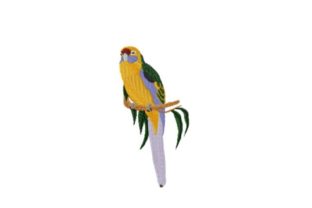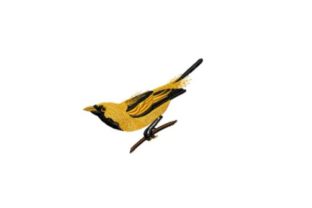
Golden Haired Flycatcher: A Branding Review for Small Businesses
As a professional embroidery designer working with small businesses, I see a lot of machine embroidery designs intended for merchandise. When reviewing the Golden Haired Flycatcher embroidery for commercial use, my primary focus is on how it translates from a lovely sewing project into a reliable brand asset. The description suggests it's an original quality design meant for various fabrics. Let’s evaluate its potential beyond decoration and into the world of branded patches, uniforms, and product labels.
First Impression: Visual Personality for Your Brand
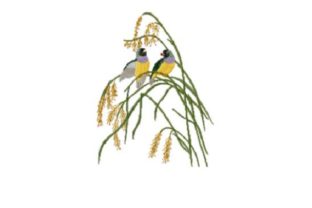
The name Golden Haired Flycatcher immediately evokes a sense of delicate, natural elegance. For a business, this visual personality can be a powerful starting point. The design is likely intricate, suggesting a premium, handmade, or artistic brand identity. For a boutique, café, florist, or creative studio, this aesthetic aligns perfectly with a friendly, sophisticated, and nature-inspired vibe. It feels less bold and rustic, leaning more towards playful elegance, which can elevate the perceived value of your merchandise.
Real Business Applications for the Flycatcher Design
The true test of any embroidery file is its performance across real-world items. Here’s how I envision the Golden Haired Flycatcher working for your small business merch.
Embroidered Patches for Product Labels & Merchandise
This design has strong potential as a standalone embroidered patch. For a handmade shop or Etsy seller, a patch featuring the Golden Haired Flycatcher could serve as a beautiful product label sewn onto tote bags, aprons, or garment tags. It adds a tangible, quality touch that customers appreciate. As a customer gift or event merch item, a simple patch can be a memorable takeaway.
Uniform & Apparel Accents
For staff uniforms, consider using it as a chest logo accent or a subtle sleeve detail on work shirts. A bakery or pet brand could use a smaller version on an apron design, creating a cohesive look. Cap embroidery is another popular option; the design would need to be evaluated for size and detail clarity on the curved front of a cap.
Tote Bags & Packaging Accents
Tote bags are a staple of small business merchandise. The Golden Haired Flycatcher could serve as a central mark on a canvas tote, immediately branding the bag as yours. Similarly, for product packaging, a small embroidered accent on a fabric pouch or wrap can turn ordinary packaging into a branded experience.
Critical Considerations for Production Success
To ensure this lovely embroidery translates into a professional finished product, careful planning is essential.
Where to Use Carefully: Size & Fabric Challenges
Intricate designs demand attention to application. I would advise testing the Golden Haired Flycatcher at a small patch size first. If the design has detailed outlines or fine features, these might lose definition when minimized for a cap front or a small product label. High stitch density can be challenging on textured fabrics or curved surfaces. Also, consider the backdrop: if your uniforms are dark, thread color contrast becomes paramount for visibility.
Longevity and Wear
Items like uniforms and tote bags need to withstand frequent washing and use. A robust embroidery file with good stitch construction is key. Discussing proper stabilizer choices with your embroidery shop is crucial to prevent puckering or distortion on the final fabric.
The Impact on Your Brand Identity & Customer Perception
Using a design like the Golden Haired Flycatcher isn't just about adding a picture; it's about building a consistent visual identity. A well-executed embroidered patch or logo creates an impression of professionalism and care. It fosters customer trust and enhances product value. For a handmade business, it reinforces the artisan quality of your work. For any business, it increases visual consistency across your merchandise, leading to stronger brand recognition and buyer engagement.
Practical Designer Notes Before You Begin Production
Before committing this design to a commercial embroidery project, here are my standard review steps.
- Test in Black and White: Simplify the design view to check its fundamental form and balance. This helps assess if it will read well without color.
- Check Small Scale Performance: Create a test sew at the smallest intended size, like a 2-inch patch. Are details still clear?
- Review Thread Color Contrast: Plan your color palette against your intended fabric colors, especially for dark backgrounds.
- Inspect Spacing and Hoop Size: Confirm the design’s dimensions are compatible with your standard hoop sizes for efficient production.
- Test on Real Fabric: Never rely solely on a digital file. Sew a sample on the exact fabric type you’ll use, such as canvas for a tote or twill for a cap.
- Create a Printable Mockup for Client Approval: If you’re an embroidery shop creating for a client, a mockup showing the design on a shirt or bag is invaluable for approval.
- Compare Beside Other Design Assets: Place the embroidered sample beside your other branding elements (logos, fonts) to ensure visual harmony.
- Confirm Commercial Licensing: The description mentions it’s an original design. It is imperative to verify the licensing terms of the digital embroidery file to ensure clear permission for business use and resale on your custom apparel.
Ultimately, the Golden Haired Flycatcher machine embroidery design presents a charming opportunity for businesses seeking a natural, elegant brand accent. Its success hinges on thoughtful application and thorough testing. By treating it as a core design asset and following professional preparation steps, you can transform this lovely embroidery into a powerful tool for your branded merchandise, building a stronger, more recognizable business in the process.