Coupe Car: A Sports Embroidery File with Classic Appeal
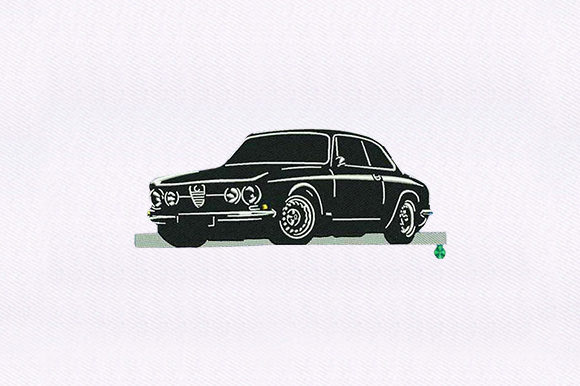
When I first looked at the Coupe Car embroidery design, I felt a little grin spread across my face. It’s not a flashy, modern concept; it’s a timeless, handsome vehicle rendered with a clear, confident line. This design doesn’t scream – it speaks in a steady, classic tone. The mood it creates is one of sturdy reliability and a touch of nostalgic charm. The shape is bold, the layout feels balanced, and the level of detail suggests it will stitch out cleanly, without fuss. It’s a design that knows exactly what it is.
This kind of visual personality naturally belongs to projects that benefit from a strong, singular graphic. It’s not a background element; it’s a statement piece. My mind immediately went to a custom embroidered tote bag or a heavyweight sweatshirt for a car enthusiast. It has the substance to stand alone as the central focus on a pillow cover or a kitchen towel in a garage-themed space. For crafters and small business owners, it’s a design that communicates a clear theme without needing explanation, which is a powerful asset for product listings and customer recognition.
Where the Coupe Car Design Finds Its Natural Home
In practical application, this Coupe Car embroidery file shows its strengths on a variety of surfaces. On a sturdy canvas tote bag, it would feel rugged and functional, perfect for a small shop selling handmade automotive-themed merchandise. Stitched onto a high-quality sweatshirt, it becomes a personalized gift with serious longevity, appealing to both older generations who appreciate the classic form and younger ones who enjoy the retro aesthetic.
I’d also consider it for a premium embroidered patch. The defined outlines and likely use of solid fill stitches would make it an excellent candidate for a standalone patch to be applied to jackets, backpacks, or aprons. For Etsy sellers and apparel decorators, this transforms into a versatile product—the digital embroidery file itself as a design asset, or the finished, physical patch as a ready-to-sell item. It has that giftability factor, especially for birthdays or holidays for someone with a known passion.
In a more commercial context, such as boutique branding for a small auto repair shop or a classic car club, embroidered onto caps or polo shirts, it offers a professional, clean logo alternative. Its clarity ensures good recognition. The design avoids being overly cute or overly aggressive, sitting in a nice middle ground that feels accessible and trustworthy.
Considering Fabric and Form: Practical Placement Notes
While the design promises to look great on any fabric, my experience says we should still think strategically. On thin or stretchy fabrics like basic t-shirts, the stitch density, if high, could lead to puckering or a stiff feel. A proper stabilizer is absolutely key here. On dark fabric backgrounds, the choice of thread colors becomes critical—you’d want strong contrast to keep the Coupe Car’s details sharp and visible. Testing on scrap fabric first is a non-negotiable step.
The design’s solid form might also face challenges on highly textured fabrics or on curved surfaces like caps. The larger, uninterrupted areas of fill stitch could potentially lose their smooth appearance on a curved seam. For baby clothes or delicate blankets, I’d consider scaling the design down carefully and ensuring the stitch count isn’t too dense for the soft base material. It’s always wise to inspect the small details in a preview, checking for tiny corners or potential thread traps that might not stitch cleanly at a very small hoop size.
For products destined for frequent washing, like apparel or kitchen towels, the integrity of the stitches is paramount. A well-digitized design with appropriate underlay and stitch structure will hold up, but this is something you confirm by stitching a sample and putting it through a test cycle. It builds customer trust in your handmade product.
How This Embroidery Impacts Your Project’s Value
Using the Coupe Car design isn’t just about adding an image; it’s about adding character. A crisp, well-stitched version of this on a product elevates the perceived value. It moves from a generic item to a themed, considered piece. For creative entrepreneurs, this supports brand consistency if automotive or classic sports themes are your niche. A customer seeing this on a mockup for a custom embroidered pillow cover immediately understands the product’s purpose, which boosts buyer engagement.
The handmade presentation gains a focal point that feels deliberate and skilled. There’s no ambiguity. This clarity directly supports professional presentation in Etsy listings, craft fair displays, or digital product previews for those selling the embroidery files themselves. For digital product sellers, offering a clean, versatile design like this, which clearly fits into real-life projects, is a cornerstone of a good design asset library.
A Designer’s Final Checklist Before Hooping
Before I commit this Coupe Car to a final project, especially for client work or commercial sale, I run through a mental list. First, I confirm the actual hoop size required and ensure it aligns with the item I’m decorating. I check thread color contrast by viewing the design in both light and dark background mockups—sometimes a simple color swap makes all the difference. I review the stitch density in the file preview; overly dense fills can be problematic, while too sparse can look weak.
I always test the design on a scrap of the exact fabric I plan to use, with the stabilizer I intend to pair with it. This reveals everything. I also consider its application: is this for a one-off personal gift, or for a batch of products to sell in my small shop? I confirm the licensing terms of the design file to ensure my use, whether personal or commercial, is covered. This step is crucial for peace of mind and ethical business practice.
The Coupe Car embroidery design, from this Sports category, has the straightforward appeal that makes it a reliable choice. It’s not the most complex design you’ll encounter, but its strength is in its clear purpose. When stitched well on an appropriate product, it tells a simple, satisfying story. That’s often exactly what a successful embroidery project needs.