Cool Baby Mouse Small: A Designer's Review for Real Projects
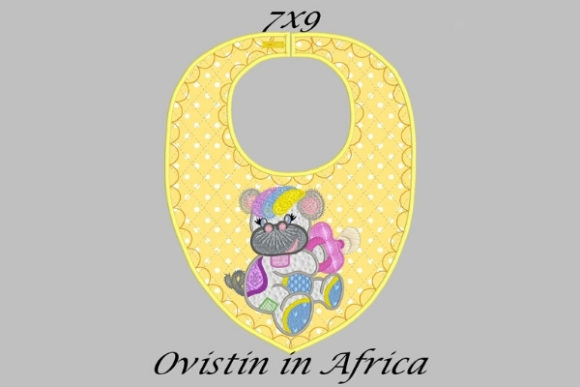
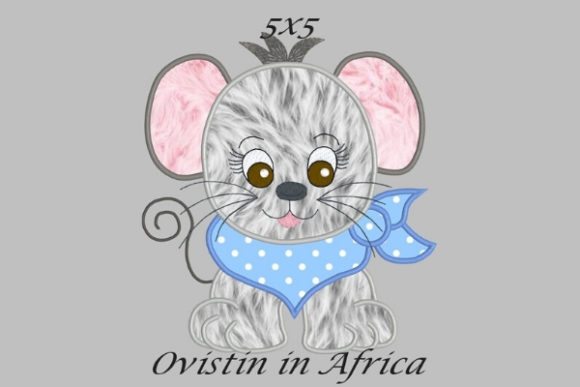
Every embroidery file tells a story before you even load it into your machine. The first impression of Cool Baby Mouse Small is exactly what the name promises: a genuinely cute, simple, and compact character. Its small scale and friendly demeanor immediately suggest projects aimed at joy rather than complexity. The mood it creates is playful and gentle, perfect for bringing a little softness to a finished product. The shape is rounded and inviting, with a layout that feels balanced for a small hoop. The detail level is modest—it’s not an intricate portrait but a clean, recognizable applique-style design. Its visual personality is sweet without being saccharine, which gives it a broad appeal.
Where This Little Mouse Finds Its Home
This design naturally belongs to projects where charm is the primary goal. I immediately pictured it on the corner of a baby’s burp cloth or subtly placed on a toddler’s knit hat. For small business merchandise or Etsy listings, it would be a strong candidate for a simple, sweet embroidered patch or as the focal point on a child’s tote bag. Think of a small, curated boutique offering a line of personalized nursery items—this mouse would fit seamlessly into that brand story. As a holiday embroidery gift, stitched onto a kitchen towel for a new parent or a simple pillow cover for a grandchild, it hits that note of thoughtful, handmade care.
In a real scenario, I’m preparing a custom baby shower gift: a set of two organic cotton baby clothes, a bib, and a blanket. I need a design that is small enough to not overwhelm the tiny garments, universally liked, and quick to stitch so I can complete the set in one sitting. Cool Baby Mouse Small fits that brief perfectly. Stitched in a soft gray and a pastel accent color, it would look cohesive across the different items, creating a mini collection. The customer reaction I’d anticipate is a smile—it’s clearly intended for a child, and its simplicity makes it feel approachable and well-made.
Performance in the Real World of Stitching
For practical embroidery, this design’s small size is its biggest advantage and its primary consideration. On custom apparel like a child’s t-shirt or a sweatshirt embroidery project, it will stitch out quickly, minimizing thread usage and machine time. This is great for craft business efficiency. On flat surfaces like tote bag designs, aprons, or tea towels, it should lay beautifully with minimal puckering if the right stabilizer is used. For embroidered patches, its compact nature means a smaller patch, which can be desirable for certain applications.
However, its scale also dictates where you should use it carefully. On textured fabrics like thick knits or heavily stretchy fabric, those clean satin stitch borders might need extra stabilizer support to stay crisp. On dark fabric, you’ll want to choose your thread colors thoughtfully to ensure the mouse pops—a light gray or white body with a bright accent would be essential. The design seems suited for smaller hoop sizes, which is perfect for many home machines, but always check the specific required hoop size from the designer before starting. Curved surfaces like caps can be tricky with small designs; you’ll need excellent hooping technique to prevent distortion.
A Note on Visual Appeal and Customer Trust
When you’re selling a finished product, the clarity of the stitching directly impacts perceived value. A small, well-executed design like this one speaks to professionalism. It shows you chose a design appropriate for the item’s size and purpose. That builds customer trust. For giftability, it’s a safe bet—it’s unlikely to offend or miss the mark for a baby-related gift. Its recognition factor is high: it’s clearly a mouse, a classic Baby Animals theme, making it easy for buyers to understand and connect with. In your handmade presentation, whether at a craft fair or in an online printable mockup, it contributes to a cohesive, friendly brand image if your niche is children’s items or whimsical decor.
Practical Designer Notes Before You Hit Start
My standard practice for any new embroidery file, especially one intended for client work or commercial sale, is to run a test. For Cool Baby Mouse Small, I’d advise:
- Test it on scrap fabric first. Use a fabric similar to your final project—a cotton scrap for a tote bag, a knit scrap for a sweatshirt. This reveals how the stitch density behaves.
- Check thread color contrast. Stitch one version on light fabric and one on dark fabric if your projects vary. This machine embroidery design likely uses a mix of fill stitch and running stitch outlines; see how they translate.
- Inspect the small details. Look closely at the smallest elements in the test stitch-out. Are they clear? Do they blend together? This informs your choice of final thread colors.
- Confirm licensing before selling. The description mentions it comes with multiple formats and “can be used in,” but the exact terms are not specified. Always verify the license for commercial use before selling the finished items or using it as part of your small shop product line.
- Use proper stabilizer. Even for small designs, the right foundation prevents puckering and ensures the applique design elements sit flat, maintaining that handmade product quality.
Finally, consider how this digital embroidery file fits into your workflow as a creative entrepreneur. It’s a straightforward, charming design asset. It won’t be the centerpiece of a high-fashion garment, but it will be the heart of a sweet, marketable personalized gift. For apparel decorators and makers focusing on the children’s market or simple decorative items, Cool Baby Mouse Small is a reliable, pleasant choice that translates well from screen to stitch.