A Designer’s Review of “My Kitchen, My Rules” for Personalized Gifts
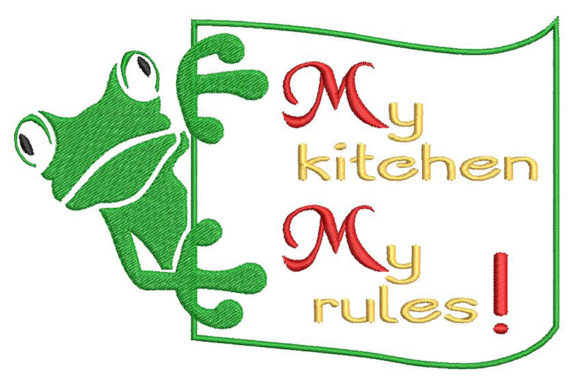
When a new embroidery design arrives in my studio, I always treat it like a future gift for a real customer. I’m not just looking at stitches; I’m imagining the finished product in someone’s hands. Today, I’m testing “My Kitchen, My Rules” from that very practical, shop-ready perspective. This design, described as a quote for tea towels and aprons, promises versatility, but how does it truly perform when planning for baby blankets, wedding keepsakes, or craft fair products? Let’s stitch through the details.
The First Impression: Warm, Playful & Handmade Charm
Opening the design file, the immediate mood is playful and warmly assertive. It doesn’t feel harsh or overly bold; instead, it carries a handmade charm that’s perfect for personalized gifts. The phrase itself, “My Kitchen, My Rules,” has a classic, familiar feel, but presented as embroidery, it transforms into a sweet and personal declaration. The emotional appeal is strong—it speaks to ownership, pride, and the heart of a home. For a gift shop owner, this emotional connection is gold. It’s not seasonal; it’s a timeless sentiment that feels both modern and classic, adaptable to elegant script or a more casual font style depending on the exact design execution.
Versatility in Gift Creation: From Baby Blankets to Wedding Keepsakes
The product description mentions tea towels and aprons, but a savvy embroiderer sees far more potential. This is a foundation for countless personalized gifts. For baby embroidery, imagine this stitched onto a nursery pillow cover or a soft blanket for a new mom—a heartfelt reminder of her domain. As a wedding gift, embroidered onto a premium kitchen towel set or a custom apron for the newlyweds, it becomes a playful, romantic keepsake. For family keepsakes, it’s perfect on a linen towel for a parent or grandparent.
For Etsy sellers and small business owners, this one digital embroidery file can populate entire product lines: embroidered towels, kitchen-themed pillow covers, aprons for craft fairs, custom tote bags for market-goers, and even decorative hangings for a kitchen wall. The key is in the personalization; the design becomes the centerpiece of a handmade product that feels intentionally created. Using it for printable mockups in custom order previews can significantly boost buyer engagement, showing clients exactly how their special gift will look.
Considerations for Successful Stitching & Product Durability
While the design is versatile, its application requires thoughtful planning, especially for commercial embroidery. Based on typical quote designs, I would advise careful attention to a few areas.
First, small lettering and delicate details. If the design includes fine script or small elements, test them rigorously. Stitch density must be appropriate to prevent thread breaks on thicker fabrics like towels. Always test on scrap fabric first, matching the final material—a textured tea towel, a smooth pillow cover cotton, or a stretchy baby garment.
- On textured or thick fabrics like terry cloth towels, use a proper stabilizer to ensure clean stitches and prevent puckering.
- On curved surfaces like aprons or tote bag straps, careful hooping and possibly adhesive stabilizers are crucial.
- On dark fabric, thread color contrast is vital for readability and impact. A bright white or a contrasting pop color can make the design shine.
- For products needing frequent washing (tea towels, aprons, baby blankets), high-quality thread and secure stitching are non-negotiable for longevity.
Always confirm the hoop size required before starting a project. The design comes in multiple embroidery file formats, which is excellent for machine compatibility, but you must check the specific size for your project. Also, reviewing stitch density in your software preview can save time and materials.
Enhancing Giftability & Perceived Value in Your Shop
How does “My Kitchen, My Rules” affect the final product’s appeal? From a sales perspective, it elevates a simple item into a meaningful personalized gift. A plain apron becomes a statement piece. A standard tea towel becomes a family heirloom. This transformation boosts the perceived value immensely, allowing gift shop owners and handmade sellers to price accordingly.
Customer trust grows when they see a well-executed, clean embroidery design on a durable product. The handmade quality feels professional and thoughtful. For product photography, this design provides a clear, readable focal point that tells a story, making Etsy listings and small shop product photos more engaging. It invites the buyer to imagine giving or receiving this gift, forging an emotional connection before purchase.
For baby product creators or wedding gift designers, offering this customization adds a layer of unique service. It’s not just a blanket; it’s a “My Kitchen, My Rules” baby blanket for a mom who loves to cook. It’s not just a towel set; it’s a wedding gift embroidered with a playful rule for their new home.
Final Practical Notes for Commercial Use
Before running this design on real customer orders, my professional checklist is straightforward:
- Test, test, test. Run the embroidery file on scraps of all intended fabrics: light cotton, dark linen, thick towel material.
- Check small details after stitching. Ensure all letters are crisp and fully formed.
- Compare light and dark fabric mockups digitally to plan thread palettes.
- Confirm commercial licensing. The product description doesn’t specify license terms. It is essential to verify that selling finished products made with this design is permitted before listing on Etsy or at craft fairs.
- Happy stitching isn’t just a phrase; it’s a result of good preparation. With the right stabilizer, thread choices, and fabric pairing, this design can become a reliable, profitable part of your personalized gift inventory.
In conclusion, “My Kitchen, My Rules” is more than a kitchen quote. It’s a versatile, emotionally resonant tool for anyone creating personalized embroidered gifts. Its charm lies in its universality and handmade feel. By applying it thoughtfully to the right products and ensuring technical excellence in the stitching, you can create gifts that customers will cherish—and that will rule your shop’s success.